





Reanda International partnered with GPIPC (Green Partnership of Industrial Parks in China) and Chongqing International Investment Consultation Group (CICC) to bring China’s Green Park Solutions to “Belt and Road” countries
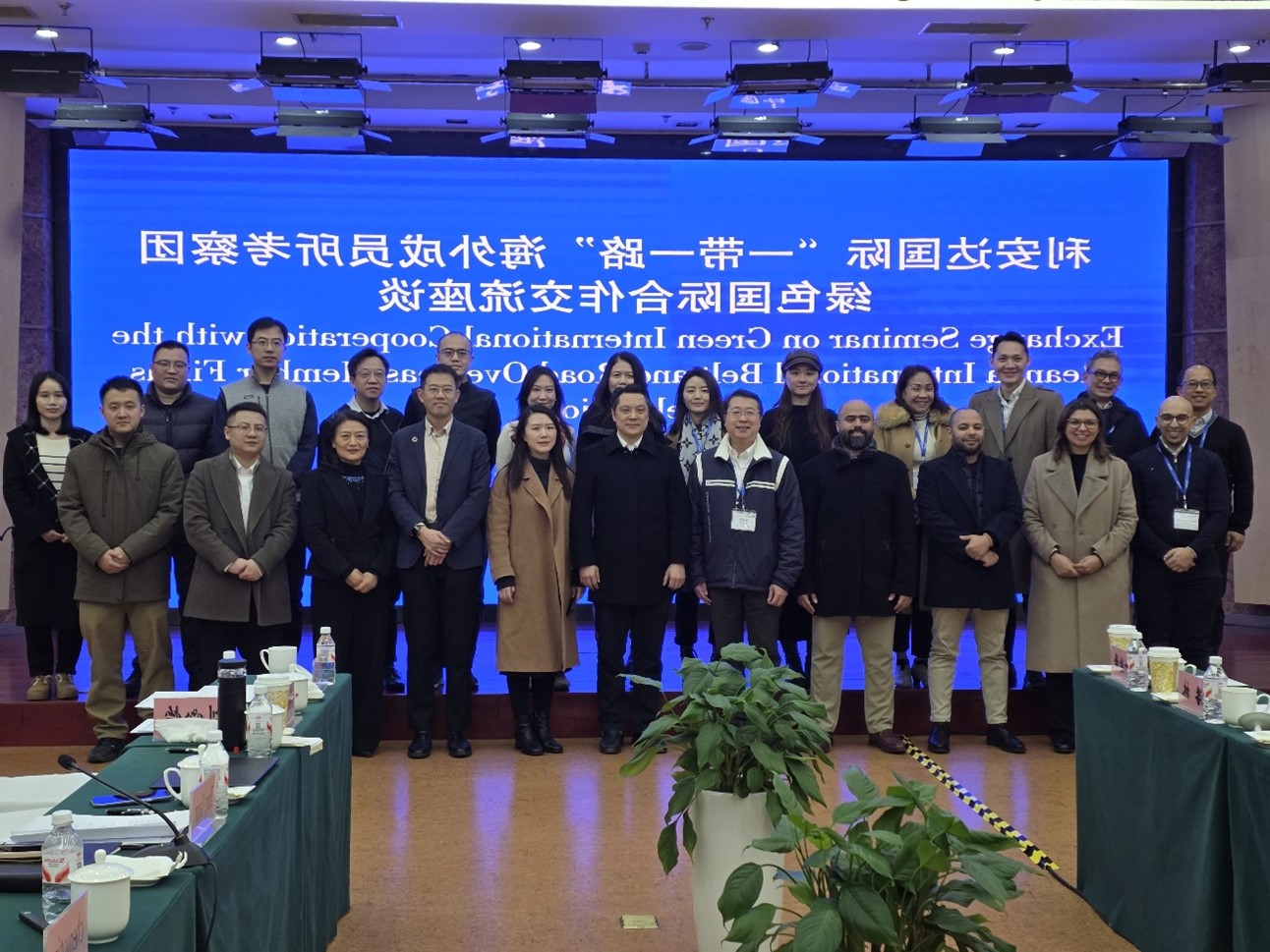
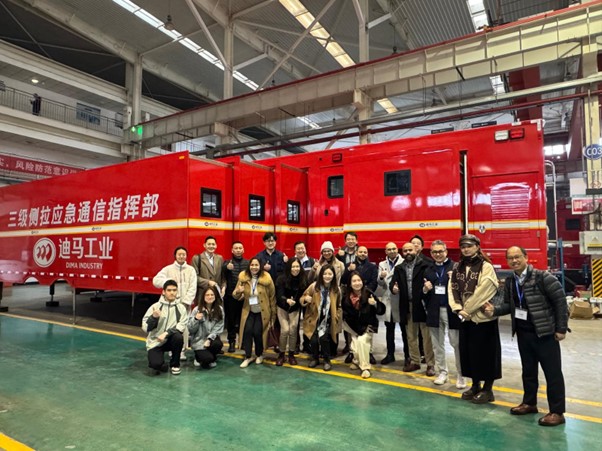
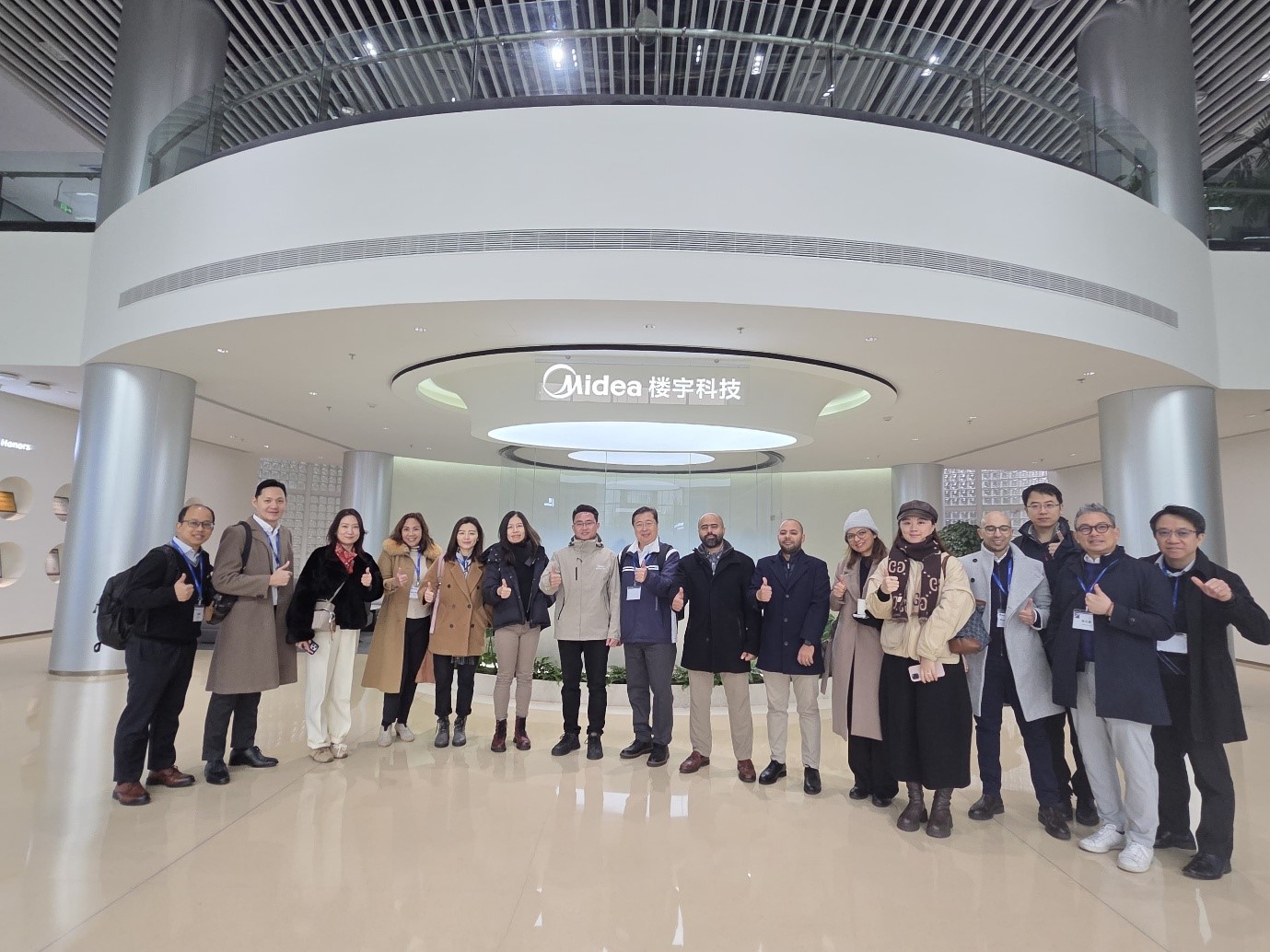
On 26-28 January 2026, Reanda International, represented by 14 delegates from six countries, visited Jiangning Development Zone Big Data Center in Nanjing, which represents the “Zero Carbon Standard” and several enterprises in Chongqing, which demonstrate industrial capabilities. This program was designed as a strategic learning platform, allowing participants to directly observe how China’s industrial decarbonisation initiatives were planned, implemented, and commercialised, and how these models may be adapted to different national and market contexts.
Two Industrial Zones, Two Strategic Approaches: Nanjing and Chongqing
The site visits deliberately featured two contrasting types of industrial zones, each serving a distinct learning objective.
In Nanjing, participants were introduced to an industrial development model representing a “Future Standard”. This approach positions zero-carbon parks as the outcome of top-level planning, strong research and development capabilities, and the integration of high-technology services. The Nanjing model highlights the importance of clearly defined green policy indicators, long-term planning frameworks, and sustainability standards that can be incorporated into government master plans as well as high-end industrial park developments.
In contrast, Chongqing demonstrated a “Real-world Solution” approach, with a stronger emphasis on manufacturing efficiency, cost optimisation, and the transformation of existing industrial capacity. The visits illustrated how operational efficiency improvements, energy cost reductions, and supply chain strengthening can be applied directly to operating factories, including traditional manufacturing facilities undergoing upgrading and restructuring.
Together, these two models underline that green transformation does not follow a single pathway. Instead, it must be aligned with the industrial maturity, operational realities, and local priorities of each region.
ESG to Attract Investments through Green Financing
One of the key insights from the program was the evolving role of ESG, shifting from a compliance-driven obligation to a strategic and commercial product. Through the preparation of Sustainability Reports for industrial parks, ESG is utilised as a tool to enhance investment attractiveness, strengthen institutional credibility, and support access to green financing.
Zero-Carbon Parks in National Policy: The Liangjiang New Area Case
The program also highlighted China’s national policy framework on zero-carbon parks as a core component of the dual carbon strategy. Industrial parks play a significant role in the national economy, contributing over 30% of GDP, while simultaneously accounting for approximately 69% of total energy consumption and around 31% of national carbon emissions.
By 2025, 52 industrial parks had entered the initial phase of the national zero-carbon pilot program. A notable example is Liangjiang New Area in Chongqing, which has been designated as a zero-carbon zone through an integrated development approach. The area relies on market-based green electricity procurement, the development of virtual power plants, upgrades to intelligent energy distribution networks, and the integration of new energy vehicle and green electronics industries. A key medium-term target is achieving a carbon intensity indicator of 0.2 tonnes per tonne of standard coal by 2030.
Conclusion
The future industrial development can no longer separate sustainability, efficiency, technology, and financing. China’s experience in developing zero-carbon parks and green industrial ecosystems offers valuable reference points for countries seeking to design their own industrial transition strategies.
For Reanda International, these insights provide a foundation for translating China’s models into locally relevant, commercially viable solutions, while reinforcing its role as a strategic partner in cross-border projects.
#ReandaInternational
#ReandaConsulting
